Stewardship and Water Quality

Healthy lakes depend on everyday choices made close to the shore.

The watershed report shows why those choices matter: runoff, erosion, and phosphorus are already putting pressure on water quality, recreation, habitat, and the future of Threemile Pond.

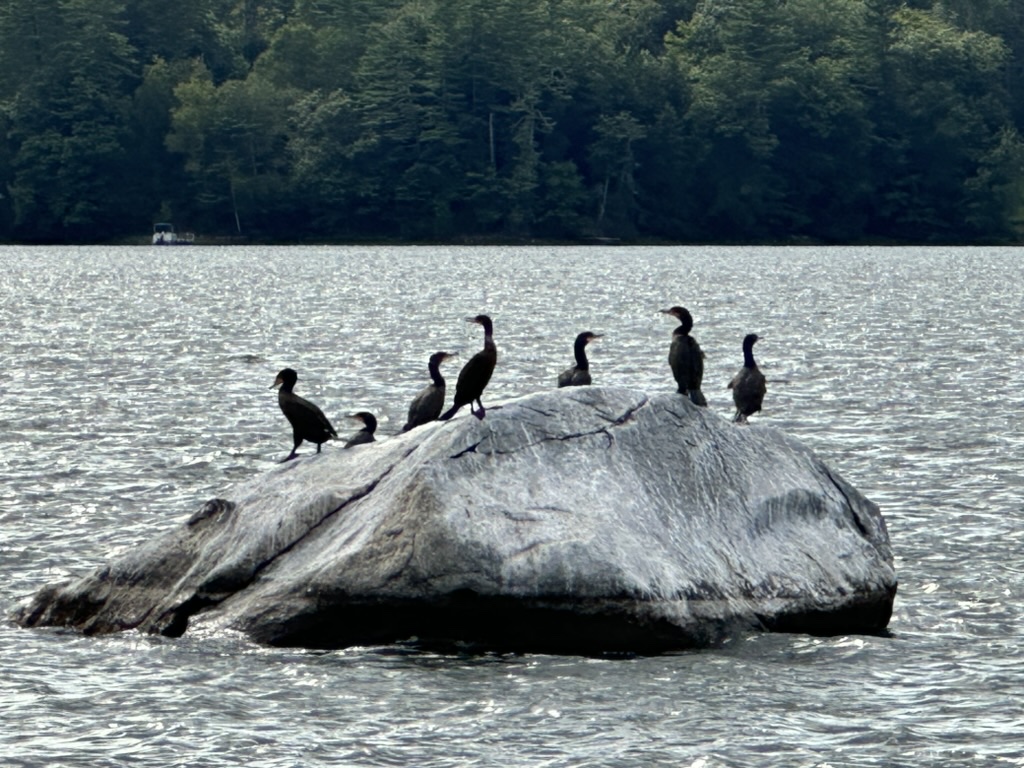
Quiet water at sunset on Threemile Pond

Preservation begins with noticing the lake closely and caring for what flows into it.

Why Stewardship Matters

The report gives the community reasons to act, not just a checklist.

Threemile Pond is not a distant conservation issue. The lake supports homes, camps, fishing, swimming, boating, wildlife, and local property values, and the watershed survey shows that small sources of runoff add up across the shoreline and nearby roads.

Water Quality

The pond is already under stress

The report describes Threemile Pond as eutrophic, with frequent algal blooms, elevated phosphorus, and reduced water clarity. Stewardship helps slow the trend before poor water quality becomes harder and more expensive to reverse.

Action Plan

Local data can unlock future work

The watershed survey is part of a larger Tri-Watershed-Based Management Plan for Threemile, Webber, and Threecornered ponds. The plan will turn water testing, sediment testing, and field survey data into a 10-year action plan.

Health and Recreation

Blooms affect people and pets

Worsening algae and cyanobacteria blooms can interfere with swimming, fishing, boating, and time on the shore. Some cyanobacteria blooms can produce toxins that are harmful to children, adults, and pets.

Habitat

Clean water supports lake life

The watershed includes important wildlife habitat, warmwater fish habitat, and areas used by birds and other species. Runoff, sediment, low oxygen, and invasive plant risk all make that habitat less resilient.
Survey Findings

Many problems are local enough to solve.

Survey volunteers and technical staff documented 107 nonpoint-source sites in the Threemile Pond watershed. Residential properties, private roads, and driveways made up most of the documented sites, which means property owners and road neighbors are central to protecting the pond.

What is at stake

  • Clearer water for swimming, boating, and fishing
  • Less phosphorus feeding algae and cyanobacteria blooms
  • More stable shorelines and better wildlife habitat
  • Lower risk of invasive aquatic plant establishment
  • Protection for lakefront property values and community investment
Start at Home

Three of the most important stewardship habits

The good news is that many fixes are practical: slow the water down, keep soil in place, and let vegetation do more of the filtering work.

Reduce Runoff

  • Keep natural vegetation near the water
  • Direct roof and driveway runoff away from the pond
  • Stabilize bare soil before heavy rain
  • Use gravel and drainage features on slopes

Care for Septic Systems

  • Pump on a regular schedule
  • Watch for odors, slow drains, or wet spots
  • Avoid overloading the system during summer gatherings
  • Keep heavy equipment off septic components

Go Easy on Lawn Inputs

  • Avoid fertilizer near the lake
  • Favor native and low-maintenance plantings
  • Leave a natural buffer instead of a full lawn to the shore
  • Keep clippings and leaves out of the water
Invasive Species

Clean, drain, dry every time

One boat trailer, anchor, or paddle with plant fragments can create years of damage. Before entering or leaving the pond, inspect your boat, remove visible debris, drain any trapped water, and dry gear when possible.

Healthy water begins with habits that seem small in the moment: keeping roots in the ground, slowing runoff, and helping every visitor understand the basics. Stewardship is local, practical, and shared.

Seasonal Checklist

  • Inspect drainage after spring melt or heavy storms
  • Replant disturbed or bare shoreline areas
  • Review septic maintenance before peak summer use
  • Share invasive species reminders with guests and renters
  • Address erosion early before it becomes expensive

Where to Start

The best first step is to walk your property with fresh eyes after a rainstorm. Look for places where water is moving quickly, carrying sediment, or cutting into bare ground. Those are often the highest-value places to improve first.

The watershed report and resources page are good starting points for understanding common runoff and erosion concerns around the pond.

View Resources